 0086-15515573212
 sherry@machinehall.com


Garlic Processing Factory Building Guide
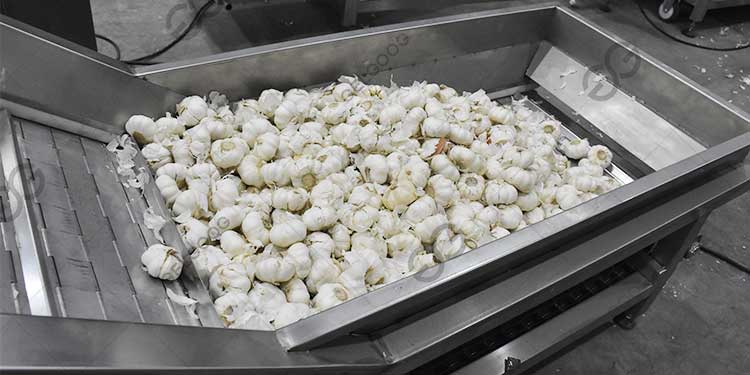
As the scale of garlic cultivation continues to expand, profit margins from selling only fresh garlic are susceptible to fluctuations in market prices, seasonality, and storage conditions. Further processing garlic into products such as garlic paste, garlic powder, and garlic chips can extend the sales window for the raw material and open up access to diverse markets, including condiments, food processing, foodservice, and exports.
This article outlines the factors to consider when establishing a garlic processing plant.
1. First, determine the product to be manufactured
The first step in establishing a garlic processing plant is to identify the final product.
Processing techniques and equipment configurations differ significantly depending on the specific garlic product. For example:
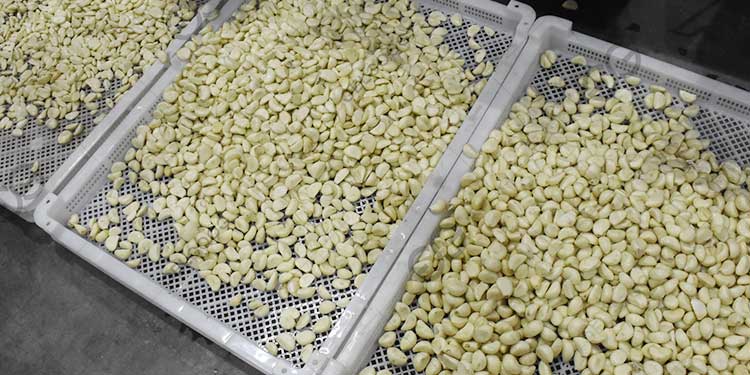
The primary processing workflow for garlic paste involves raw material selection, washing, peeling, chopping or crushing, grinding, blending, homogenization, and filling; key priorities include ensuring product smoothness, stability, and hygienic conditions.
The processing workflow for garlic powder consists of washing, peeling, slicing, drying, pulverizing, sifting, and packaging. Drying is a critical step, and the drying method must be determined based on the raw material's moisture content and the requirements of the target product.
2. Rationally plan factory buildings and production sites
Once the product has been determined, the next step is to consider the facility itself.
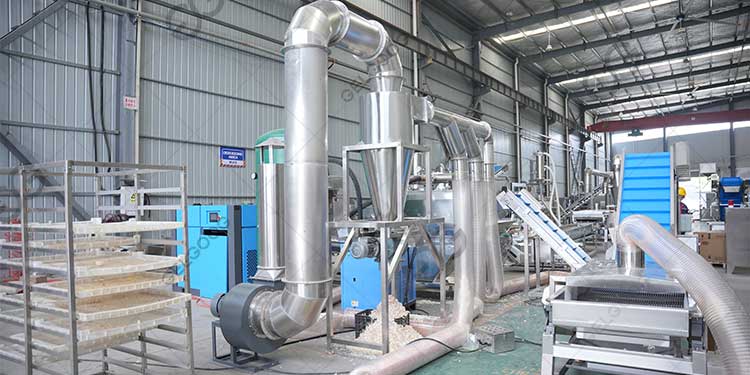
The garlic processing plant requires dedicated space for raw material storage, processing, temporary storage of semi-finished goods, packaging, finished product warehousing, and personnel movement.
Ideally, the production area should be laid out according to the processing workflow to ensure a smooth flow of materials—from entry to final packaging—and to minimize cross-contamination between raw materials and finished products.
For larger-scale plants, functional zones can be established for raw materials, washing, processing, drying, packaging, and finished products. Additionally, provisions must be made for floor drainage, ventilation, sanitation, and equipment maintenance access.
3. Selecting Garlic Processing Equipment Based on the Production Process
Equipment represents a significant investment for a garlic processing plant, and the production line must be designed according to the specific product.
A sound approach is to configure the setup holistically based on the product type and required production capacity.
For instance, producing garlic powder requires a focus on slicing, drying, pulverizing, and screening stages;
whereas producing garlic paste necessitates equipment for crushing, grinding, blending, and filling.
For factory projects, it is also essential to consider factors such as continuous production capability, the level of automation, the materials of food-contact surfaces, cleaning and maintenance procedures, and the integration between different pieces of equipment.
4. Verify utility requirements—such as water, electricity, and gas—in advance.
Garlic processing involves stages such as washing, conveying, drying, heating, grinding, and packaging; therefore, local utility supplies must be confirmed before the plant is built.
Specifically, washing equipment requires a stable water supply and drainage system;
drying equipment may require electricity, natural gas, or other heat sources;
and if the local power supply is unstable, backup power solutions must be considered beforehand. For projects with high water consumption, the water source, water recycling capabilities, and wastewater treatment plans should also be evaluated.
Since utility conditions directly impact equipment selection and long-term production costs, it is best to incorporate these factors into the overall planning during the equipment design stage.
5. Establishing a Stable Supply Channel for Garlic Raw Materials
Raw materials are the foundation for continuous production in a garlic processing plant.
Before establishing the plant, it is necessary to survey the scale of garlic cultivation, major varieties, harvest seasons, market prices, and supply stability in the local and surrounding areas. If year-round production is planned, factors such as garlic storage conditions and raw material supply during the off-season must also be considered.
Establishing long-term procurement relationships with growers, cooperatives, or suppliers can mitigate the impact of raw material supply fluctuations on production.
6. Comprehensive Planning for Garlic Processing Factory Construction
Overall, the construction of a garlic processing factory can proceed according to the following sequence: product determination → market analysis → capacity planning → site selection → process design → equipment selection → energy planning → raw material supply → production line layout → installation and commissioning
Lily and 4 people like this
Leave a Reply