 0086-15515573212
  sherry@machinehall.com


How Is Garlic Powder Manufactured?
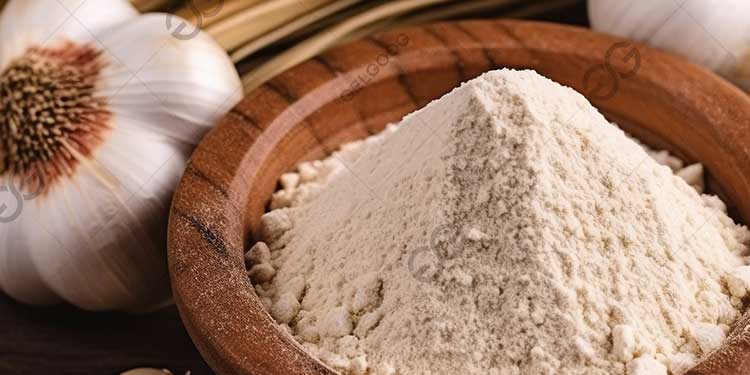
Garlic powder is a widely used seasoning, known for its strong flavor, ease of use, and long shelf life. So how is garlic powder manufactured?
Garlic powder typically requires multiple steps, including separating the cloves, peeling, washing, slicing, drying, and grinding. However, due to differences in raw materials, finished product requirements, and production capacity targets, the specific production processes and equipment configurations may vary among different manufacturers.
1. Garlic clove separation
The garlic clove separating machine uses a flexible squeezing method to separate whole garlic bulbs into individual cloves, while minimizing damage to the cloves.
2. Garlic peeling
Garlic peeling machines use compressed air to separate the garlic peel in a short time. This method is highly efficient, preserves the integrity of the garlic cloves, and does not require water.
3. Garlic washing
The washing equipment uses water flow and air bubbles to thoroughly remove impurities. After washing, the garlic is briefly drained or air-dried to reduce surface moisture and prevent it from affecting subsequent slicing and drying processes.
4. Slicing the garlic
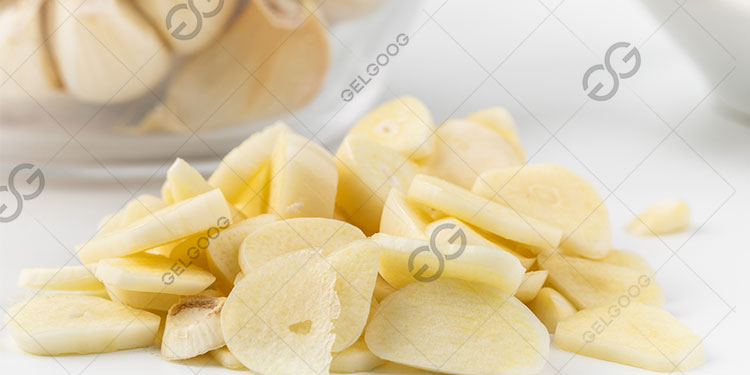
A slicing machine is used to cut the garlic cloves into thin slices of uniform thickness. The slice thickness is adjusted according to the drying method and the desired finished product, generally controlled at around 2–4 millimeters. This ensures efficient moisture evaporation while minimizing the loss of nutrients and flavor.
5. Garlic drying
Garlic slices are typically dried using hot air to reduce their moisture content to below 8%.
6. Garlic powder grinding
A grinding machine crushes the dried garlic flakes into a finely and uniformly ground garlic powder. The fineness of the powder can be flexibly adjusted according to the needs of the end consumer.
It's important to note that different manufacturers may adjust their garlic powder production processes. For example, some factories may add sterilization or disinfection steps; others may implement higher-grade testing and packaging systems to meet export standards. These differences primarily depend on the target market, product positioning, and production scale.
Lily and 4 people like this
Leave a Reply